

Japan Information
Japan is an island nation in East Asia, known for blending ancient traditions with cutting-edge modern technology. It’s made up of four main islands: Honshu, Hokkaido, Kyushu, and Shikoku.
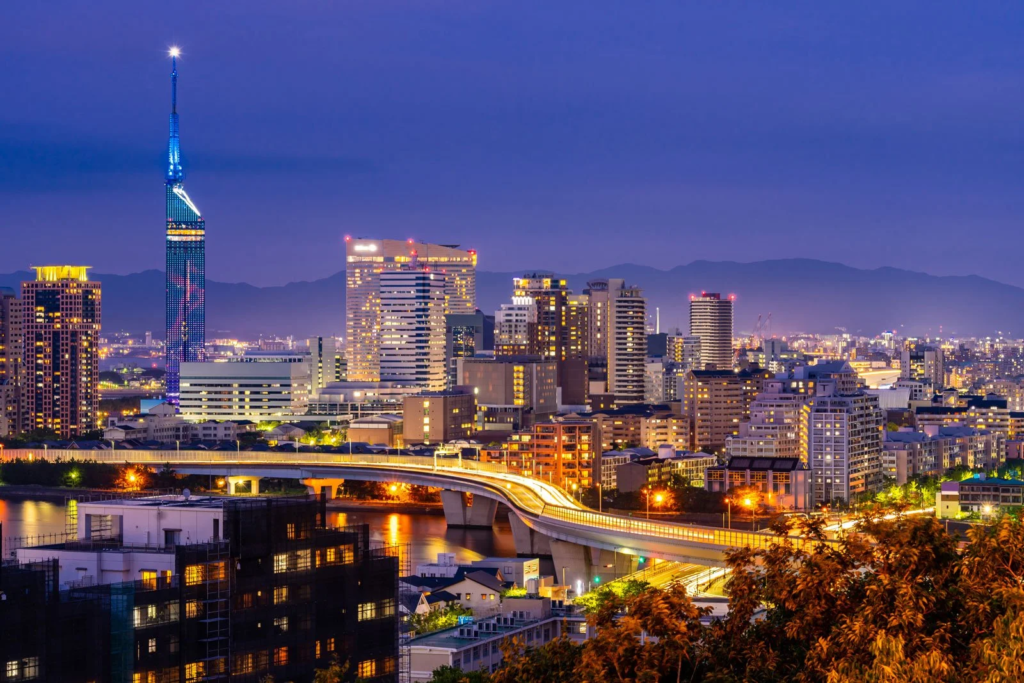
Overview of Fukuoka
Fukuoka is one of Japan’s most livable and dynamic cities, located on the northern shore of Kyushu Island. It’s known for its mix of modern urban life, historic temples, and incredible food scene.
🌏 Key Facts
- Country: Japan
- Region: Kyushu
- Population: ~1.6 million
- Vibe: Relaxed, friendly, and less crowded than Tokyo or Osaka
🏯 Top Attractions
- Fukuoka Castle – Beautiful ruins with cherry blossoms in spring
- Ohori Park – A large scenic park with a lake, perfect for walks
- Canal City Hakata – A modern shopping complex with fountains and shows
- Kushida Shrine – One of the city’s most important shrines
🍜 Food Culture (Very Famous!)
Fukuoka is a food lover’s paradise, especially known for:
- Hakata ramen – Rich pork-bone broth with thin noodles
- Yatai (street food stalls) – Try skewers, ramen, and local snacks along the river
- Fresh seafood from nearby waters
🚄 Transportation
- Connected by the Shinkansen
- Fukuoka Airport is just minutes from the city center (very convenient!)
🌸 Best Time to Visit
- Spring (March–April): Cherry blossoms
- Autumn (October–November): Comfortable weather and foliage
- Summers can be hot and humid; winters are mild
🎉 Festivals
- Hakata Gion Yamakasa (July) – Famous energetic float race festival
- Hakata Dontaku (May) – One of Japan’s largest festivals
👍 Why Visit Fukuoka?
Great base for exploring Kyushu
Less crowded than major cities like Tokyo or Osaka
Amazing food scene
Friendly locals and relaxed atmosphere
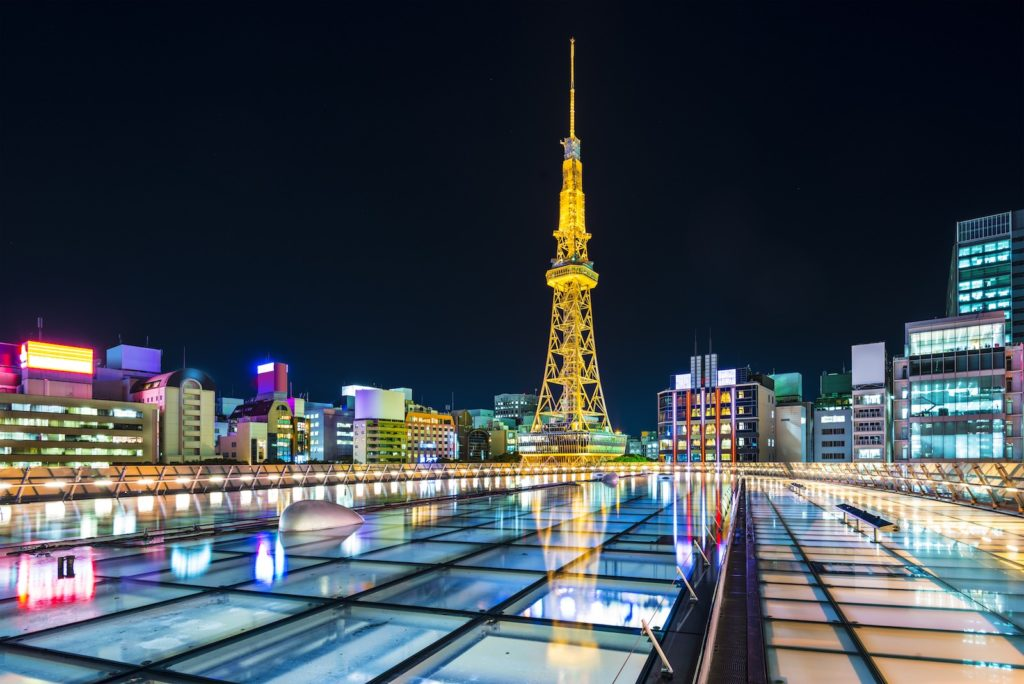
Overview of Nagoya
Nagoya is Japan’s fourth-largest city and an important industrial and cultural hub. Located between Tokyo and Osaka, it’s known for its automotive industry, historic sites, and unique local cuisine.
🌏 Key Facts
- Country: Japan
- Population: ~2.3 million
- Region: Chubu
- Vibe: Modern, practical, and less crowded than Tokyo or Osaka
🏯 Top Attractions
- Nagoya Castle – Famous for its golden “shachihoko” roof ornaments
- Atsuta Shrine – One of Japan’s most important shrines
- Osu Shopping District – A lively mix of traditional and modern shops
- Port of Nagoya Public Aquarium – One of Japan’s largest aquariums
🚗 Industry & Economy
Nagoya is the heart of Japan’s manufacturing industry:
- Headquarters of Toyota nearby
- Strong in automotive, robotics, and machinery
🍱 Food Culture (Nagoya Specialties)
Nagoya has its own unique dishes:
- Miso katsu – Pork cutlet with rich miso sauce
- Hitsumabushi – Grilled eel served in different styles
- Tebasaki – Spicy and flavorful wings
🚄 Transportation
- A major stop on the Shinkansen line
- Easy access between Tokyo and Osaka
- Central location makes it a convenient travel base
🌸 Best Time to Visit
- Spring (March–April): Cherry blossoms 🌸
- Autumn (October–November): Pleasant weather 🍁
🎉 Festivals
- Nagoya Festival – Celebrates local history and culture
- Atsuta Festival – Traditional event with fireworks
👍 Why Visit Nagoya?
Central location for travel around Japan
Less crowded than major tourist cities
Rich samurai history and culture
Unique regional food 🍜
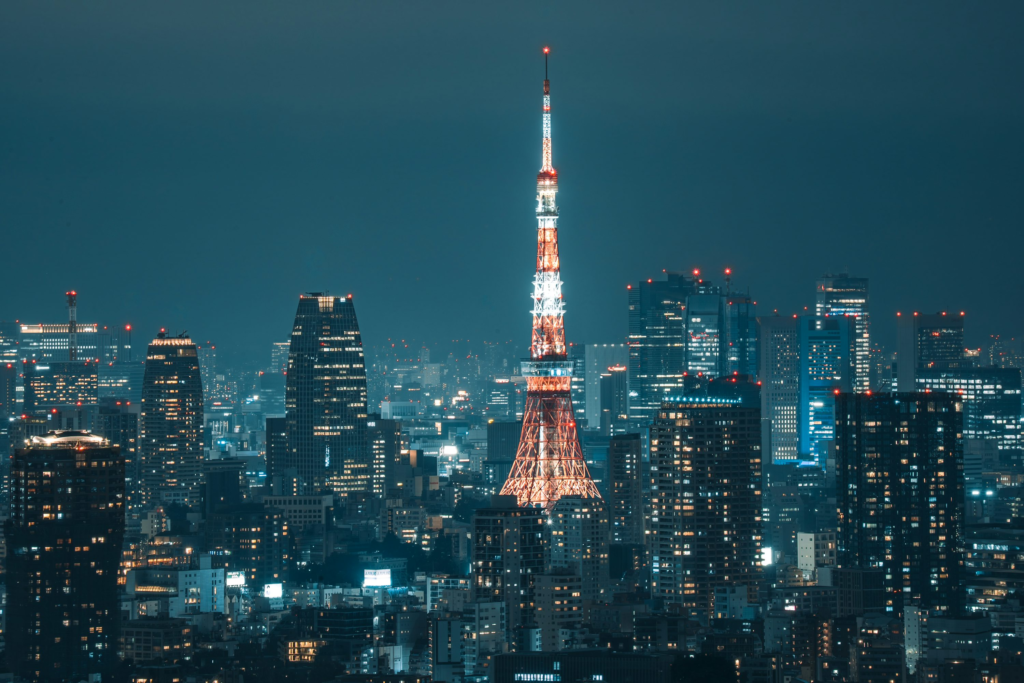
Overview of Tokyo
Tokyo is the capital and largest city of Japan. It’s one of the most advanced and exciting cities in the world, known for its skyscrapers, technology, culture, and food.
🌏 Key Facts
- Country: Japan
- Population: ~14 million (city), over 37 million (metro area)
- Language: Japanese
- Currency: Japanese Yen (¥)
- Vibe: Fast-paced, modern, yet deeply traditional
🏙️ Top Attractions
- Tokyo Tower – Iconic red tower with city views
- Tokyo Skytree – One of the tallest structures in the world
- Shibuya Crossing – World’s busiest pedestrian crossing
- Senso-ji – Historic Buddhist temple in Asakusa
- Meiji Shrine – Peaceful shrine in a forested area
🍣 Food Culture
Tokyo is a global food capital:
- Sushi (especially fresh at markets)
- Ramen shops everywhere
- Street food, fine dining, and themed cafés
- More Michelin-star restaurants than any other city
🚄 Transportation
- Extremely efficient public transport
- Subways, trains, and buses cover the entire city
- Connected by the Shinkansen
🛍️ Popular Areas
- Shibuya – Youth culture and shopping
- Shinjuku – Skyscrapers and nightlife
- Akihabara – Anime, electronics, gaming
- Ginza – Luxury shopping
🌸 Best Time to Visit
- Spring (March–April): Cherry blossoms 🌸
- Autumn (October–November): Mild weather and fall colors 🍁
- Summer is hot; winter is cool but not too harsh
🎉 Festivals & Culture
- Sumida River Fireworks Festival 🎆
- Traditional events, anime culture, and pop culture trends
👍 Why Visit Tokyo?
Unique neighborhoods with different vibes
Mix of tradition and futuristic life
Safe and clean environment
Endless things to do (shopping, food, culture)
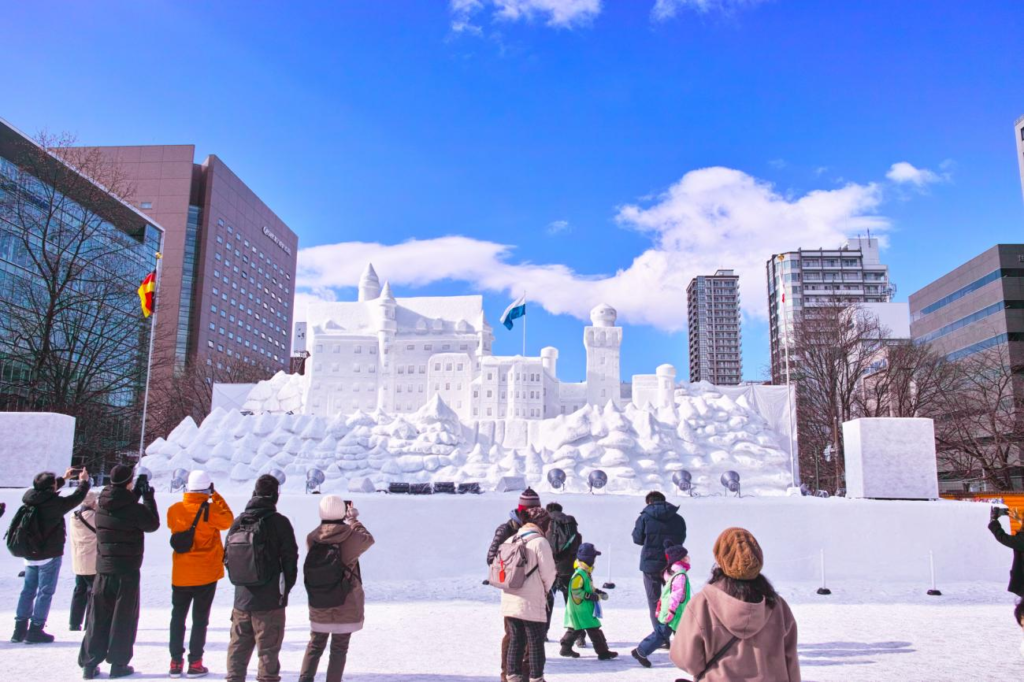
Overview of Hokkaido
Hokkaido is Japan’s northernmost island, famous for its natural beauty, cold winters, and wide open landscapes. It’s very different from big cities like Tokyo—more relaxed, spacious, and nature-focused.
🌏 Key Facts
- Country: Japan
- Capital: Sapporo
- Population: ~5.2 million
- Vibe: Peaceful, scenic, and outdoorsy
🏔️ Nature & Landscapes
Hokkaido is known for its stunning nature:
- Mountains, forests, lakes, and national parks
- Less crowded than other parts of Japan
- Great for outdoor activities all year
Famous spots:
- Daisetsuzan National Park – Largest national park in Japan
- Furano – Famous for lavender fields 🌸
- Lake Toya – Beautiful volcanic lake
❄️ Climate
- Winter: Very cold, heavy snow (perfect for skiing ⛷️)
- Summer: Mild and cool (great escape from heat)
- Best known for: Snowy landscapes and winter sports
🎿 Winter & Ski Resorts
Hokkaido is a world-famous ski destination:
- Powder snow (some of the best in the world!)
- Popular ski areas like Niseko
🍜 Food Culture
Hokkaido is famous for fresh and rich food:
- Miso ramen (especially in Sapporo)
- Fresh seafood (crab 🦀, salmon, sea urchin)
- Dairy products (milk, cheese, ice cream 🍦)
🎉 Festivals
- Sapporo Snow Festival ❄️ – Huge snow and ice sculptures
- Flower festivals in summer 🌸
🐻 Wildlife
Hokkaido has unique wildlife:
- Deer, foxes, and even bears
- Large protected natural areas
👍 Why Visit Hokkaido?
Peaceful and less crowdedod.
Amazing natural scenery 🌄
Best skiing and snow in Japan ❄️
Fresh seafood and dairy 🍣
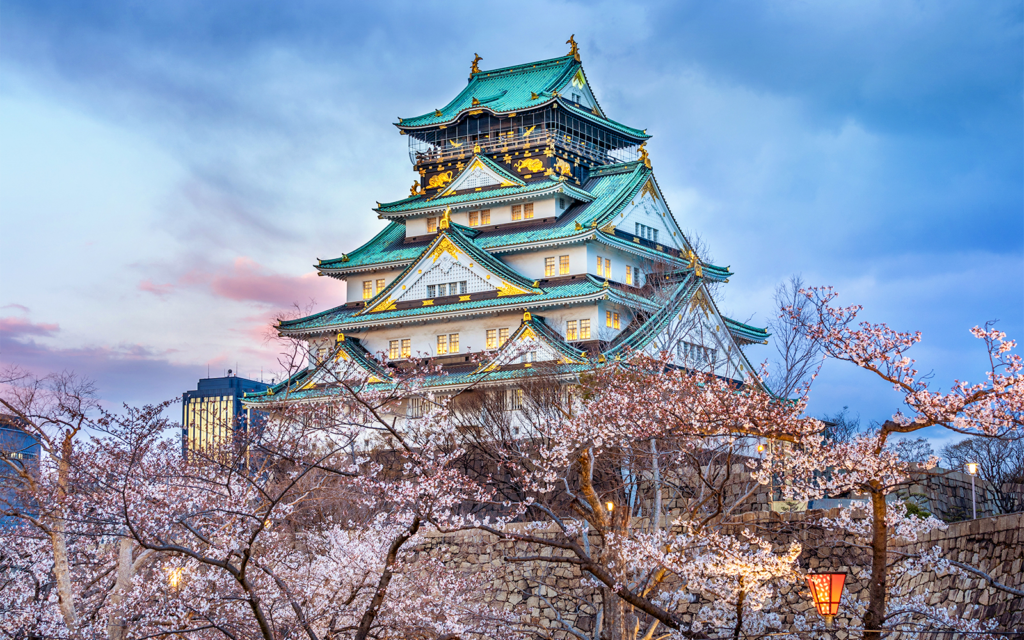
Overview of Osaka
Osaka is Japan’s third-largest city and a vibrant hub of food, nightlife, and entertainment. It’s known for its friendly locals, energetic atmosphere, and amazing street food culture.
🌏 Key Facts
- Country: Japan
- Population: ~2.7 million
- Region: Kansai
- Nickname: “Japan’s Kitchen” 🍴
- Vibe: Fun, lively, and less formal than Tokyo
🏙️ Top Attractions
- Osaka Castle – Famous landmark with beautiful gardens
- Dotonbori – Neon lights, street food, and nightlife
- Universal Studios Japan 🎢 – Popular movie-themed park
- Shinsekai – Retro area with local food and culture
🍜 Food Culture (Highlight of Osaka!)
Osaka is famous for delicious and affordable food:
- Takoyaki – Octopus balls 🐙
- Okonomiyaki
- Street food stalls and casual dining everywhere
- Locals love to eat and enjoy life (“kuidaore” culture – eat till you drop!)
🚄 Transportation
- Well-connected with trains and subways
- Linked to other cities by the Shinkansen
- Close to Kyoto and Nara
🛍️ Popular Areas
- Dotonbori – Food and nightlife
- Namba – Shopping and entertainment
- Umeda – Business and modern shopping malls
🌸 Best Time to Visit
- Spring (March–April): Cherry blossoms 🌸
- Autumn (October–November): Cool weather and colorful leaves 🍁
🎉 Festivals
- Tenjin Matsuri – One of Japan’s biggest festivals 🎆
👍 Why Visit Osaka?
Easy access to nearby historic cities
Best street food in Japan 🍜
Friendly and outgoing locals
Vibrant nightlife and entertainment
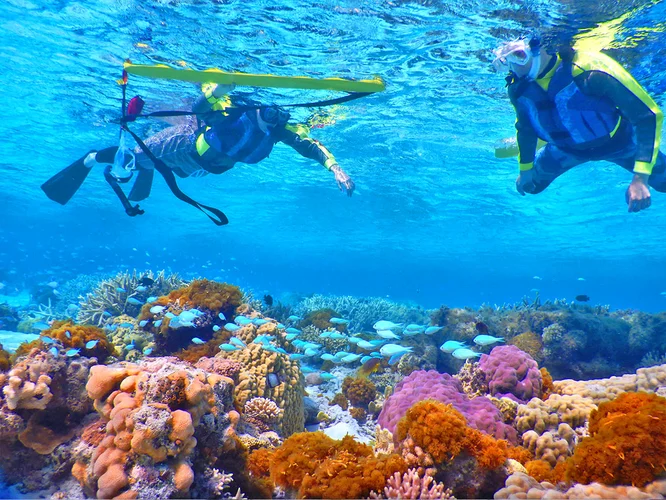
Overview of Okinawa
Okinawa is a tropical island chain in the south of Japan, famous for its beaches, coral reefs, unique culture, and mild climate. It’s part of the Ryukyu Islands and has a very different atmosphere from mainland Japan.
🌏 Key Facts
- Country: Japan
- Capital: Naha
- Population: ~1.4 million (main island)
- Vibe: Tropical, relaxed, and resort-like
🏖️ Geography & Climate
- Located in the East China Sea
- Subtropical climate: warm winters, hot humid summers
- Famous for white sandy beaches, turquoise waters, and lush greenery
- Coral reefs make it a hotspot for diving and snorkeling
🌺 Culture & History
- Formerly the Ryukyu Kingdom, Okinawa has a distinct culture from mainland Japan
- Unique music, dance, and cuisine
- Traditional Ryukyu castles (gusuku), like Shuri Castle
🏝️ Popular Destinations
- Shurijo Castle – Former palace of the Ryukyu Kingdom
- Churaumi Aquarium – Famous for whale sharks and coral exhibits
- Kokusai Street – Local shops, street food, souvenirs
- Beaches: Emerald Beach, Manza Beach, and countless hidden coves
🍲 Food Culture
- Okinawan cuisine is different from mainland Japan:
- Okinawa soba – Thick wheat noodles in pork broth
- Goya champuru – Stir-fried bitter melon with tofu and pork
- Tropical fruits – Pineapple, mango, and dragon fruit
- Famous for longevity diets—Okinawans are among the longest-living people in the world
🚤 Activities
- Snorkeling & scuba diving in coral reefs
- Island hopping to remote islands like Miyako and Ishigaki
- Traditional crafts: pottery, textiles, and Shisa statues
🌞 Best Time to Visit
- Spring to early summer (March–June): Pleasant weather
- Autumn (September–November): Less crowded, still warm
- Typhoon season is July–September
🎉 Festivals
- Eisa Dance Festival
- Naha Tug-of-War Festival
👍 Why Visit Okinawa
Delicious and healthy cuisine 🍲
Tropical beaches and coral reefs 🏖️
Rich history and distinct Ryukyu culture
Warm climate year-round